Zero-carbon buildings and zero-carbon parks bloom everywhere. Multi-angle perspective zero-carbon brings new changes ↓
CCTV News:On August 24th, the world’s first super-class zero-carbon building was officially opened in Qingdao, Shandong. It is said to be "super-step" because in addition to photovoltaic power generation, this building also realizes 100% green energy replacement through cascade energy storage batteries and new energy vehicles. The official opening of the building marks new progress in zero-carbon building in China.
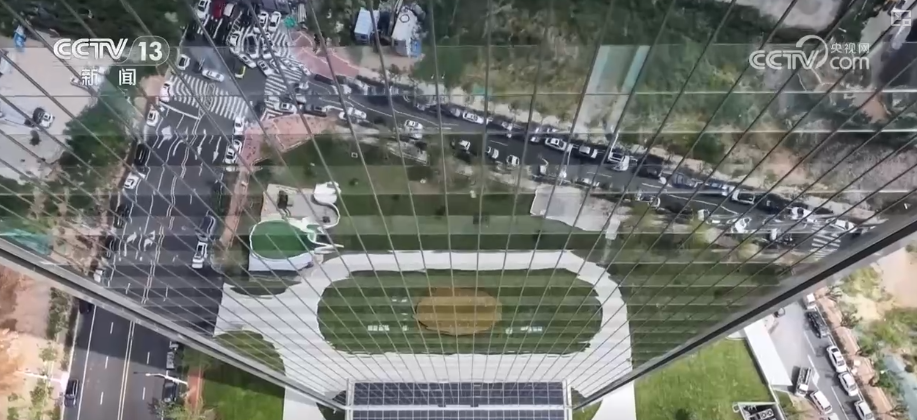
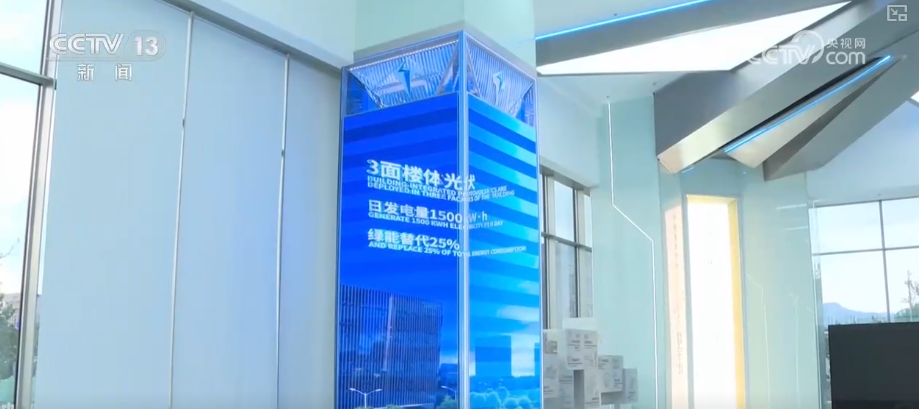
The world’s first super-class zero-carbon building is 117 meters high, with 23 floors of office space and an average daily electricity consumption of about 6,000 kWh. The zero-carbon way of the building is different from the traditional photovoltaic installation on the roof. The building integrated photovoltaic glass curtain wall is adopted on the east, west and south sides, which is equivalent to putting a "power generation coat" on the building. Direct supply of direct current can not only be used nearby, but also effectively avoid the loss caused by the conversion of direct current to alternating current, provide about 25% green energy for the building, and save nearly 500 tons of carbon emissions a year.
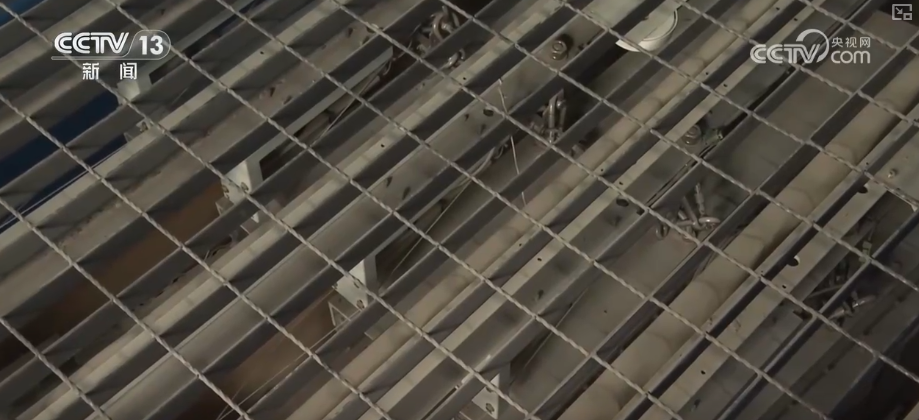
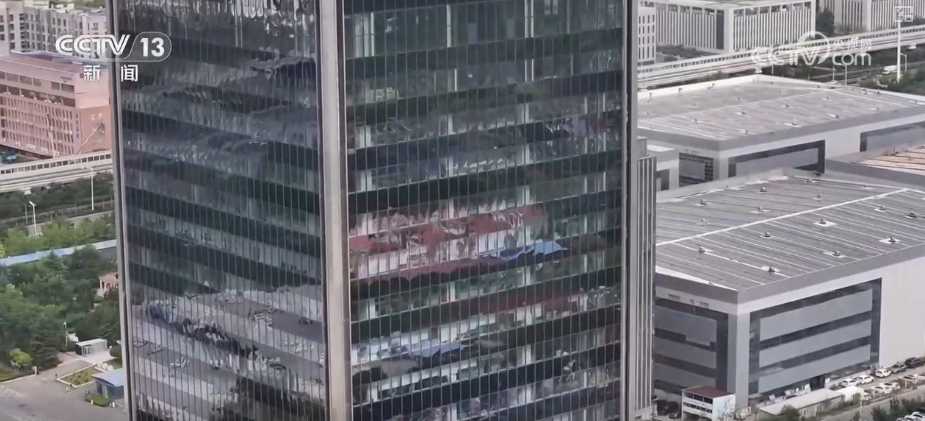
There is also a "hidden energy source" installed at the bottom of the building, where 14 obsolete automobile power batteries continue to exert their residual heat. The battery is charged and discharged every day, which can not only store the surplus electricity generated by the photovoltaic glass curtain wall, but also store a large amount of clean energy that cannot be consumed in the power grid at a low price of 0.22 yuan per kilowatt hour during the deep valley period, so as to be used during peak hours or rainy days and cloudy days, and effectively adjust the electricity load.
Achieve 100% self-sufficiency in green electricity.
It is understood that the digital system has brought effective support to the whole zero-carbon building. Through the comparison of multiple schemes, the traditional five stations, such as substation and distribution station, are integrated to realize 100% self-sufficiency of green electricity.
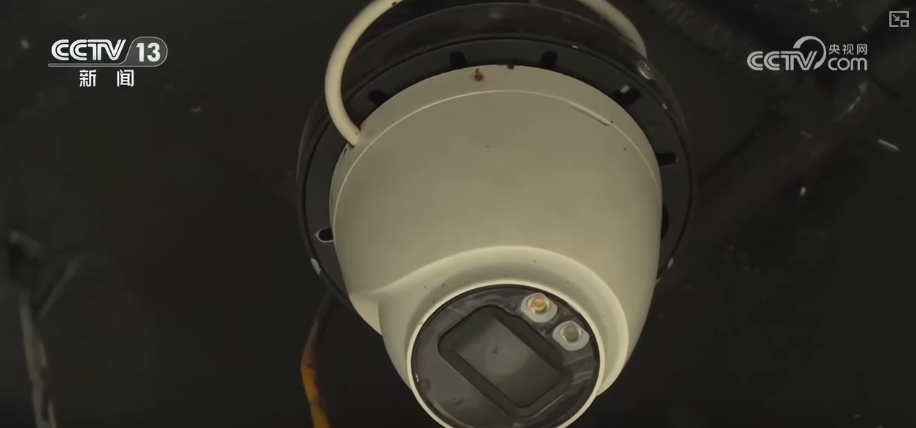
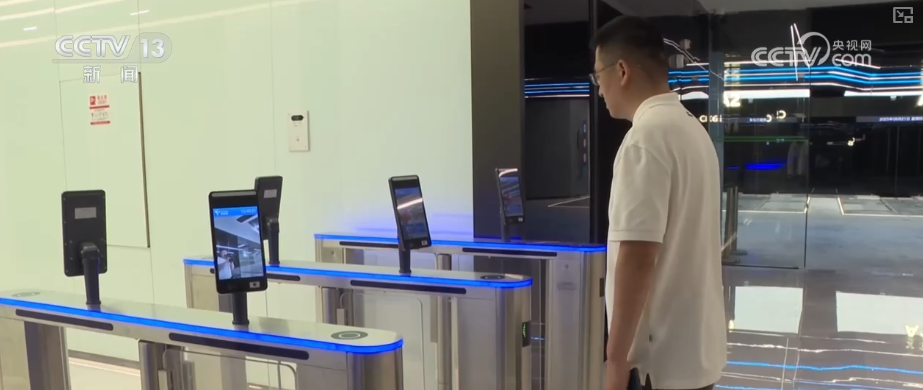
Nearly 24,000 tiny sensors installed in the building effectively replace the traditional indoor switches, and realize automatic interaction between people and lighting, air conditioning and elevators in the building. By scanning people’s faces, we can perceive the floors that employees need to go to in real time, and immediately arrange the nearest elevator to connect employees. When employees come to the office area, the lights and air conditioners will also be automatically turned on, and they will also be automatically turned off after leaving, effectively achieving energy conservation and emission reduction.
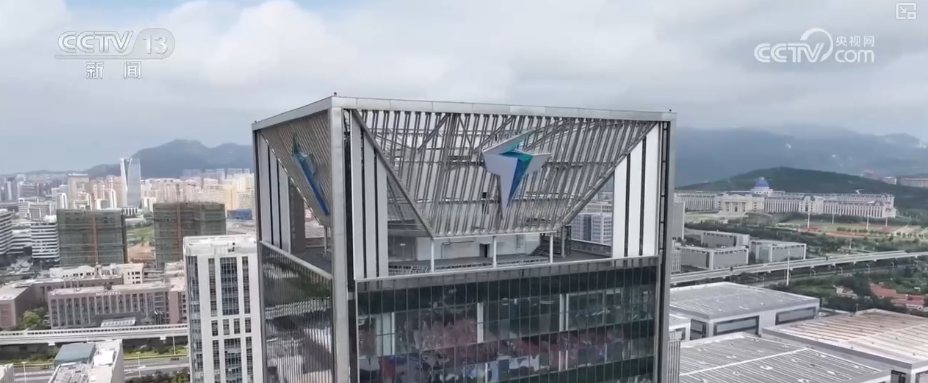
Zhao Yue, director of the Energy Conservation and Green Energy Research Office of China Electronic Information Industry Development Research Institute, said that the Super Zero Carbon Building is not only a building, but also a complete energy ecosystem. The self-sufficiency of 100% green electricity is realized, and a new model of zero-carbon building is formed, which is conducive to solving the problem of power battery recycling, standardized centralized management and avoiding the environmental risk of battery decentralized disposal.
New energy vehicles can reverse power supply to buildings.
In this newly-built building, there is also the technology of reverse power supply for the building by cars. How is this realized?
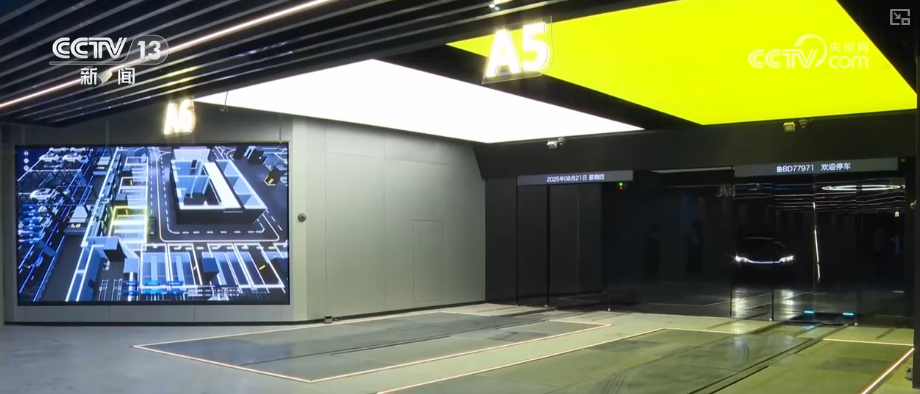
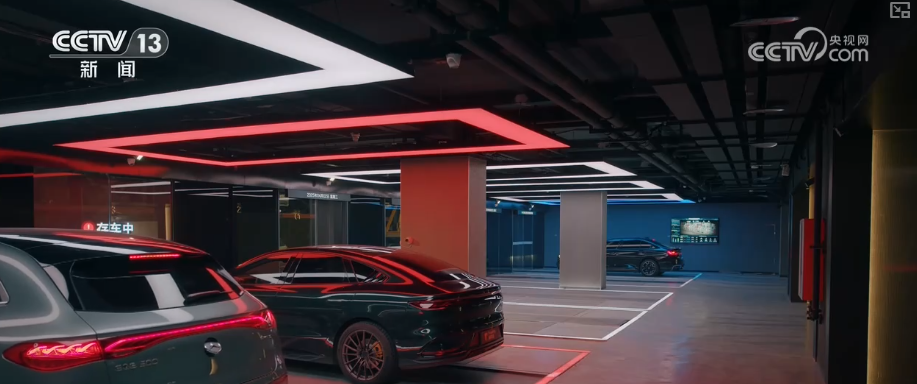
Compared with the complexity of traditional mechanical parking, the world’s first fully automatic high-speed three-dimensional parking system independently developed by enterprises not only saved 50 million yuan in construction cost at the initial stage of construction, but also was more intelligent and efficient to use.
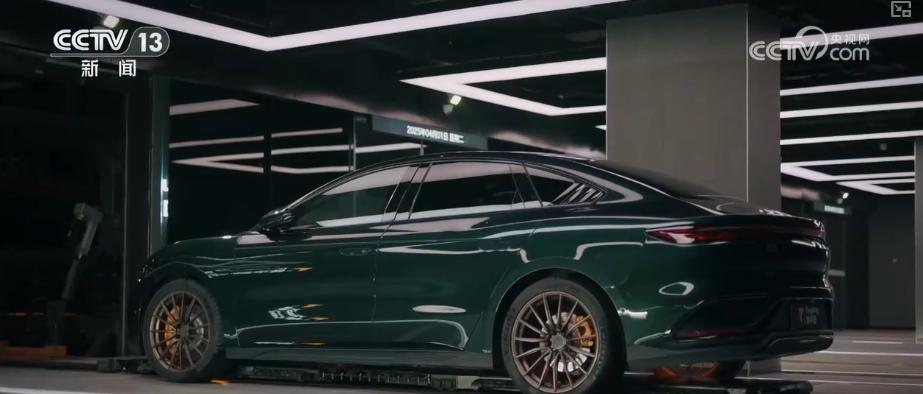
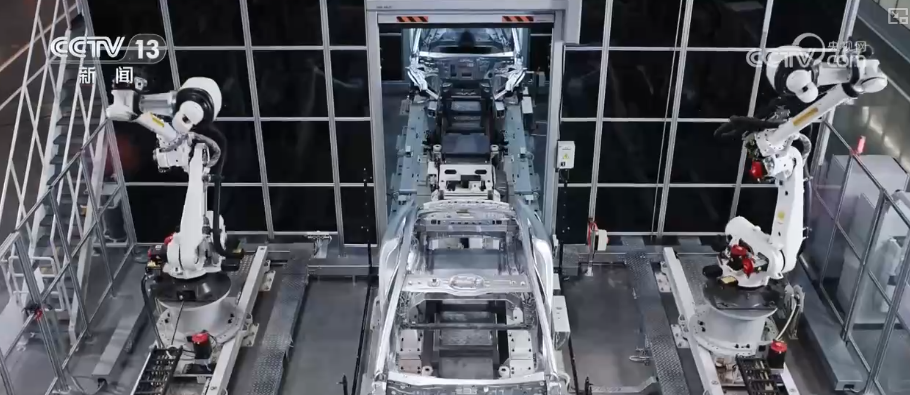
After the vehicle stops in the designated area, the robot will automatically dock and adjust the position of the vehicle. Then, through the high-precision and stable track system combined with gear drive control technology, the robot can move and start and stop with the car quickly and accurately on the track, and the maximum parking efficiency of a single car can be controlled within 35 seconds. In this parking system, there is also a "black technology" that new energy vehicles supply power to the building in the opposite direction.
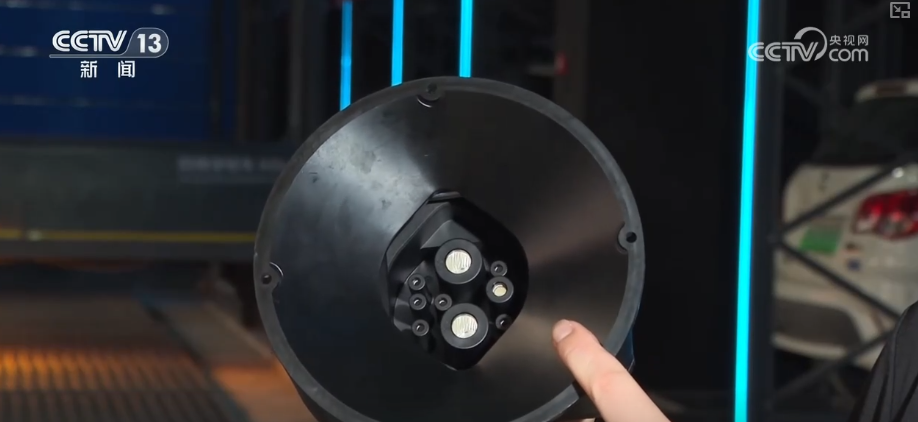
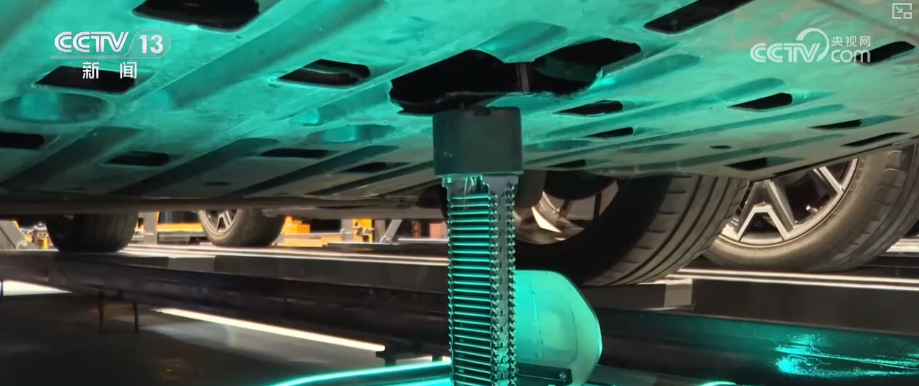
These new energy vehicles are supplying power to the whole building, and the secret of reverse power supply to the building lies in this equipment which is only the size of a bowl. With it, it is equivalent to installing an additional charging port at the bottom of the new energy vehicle. When the vehicle stops, the charging and discharging robot will automatically link. After the link is successful, the digital system will allocate it as needed to provide a continuous and stable power supply for the building.
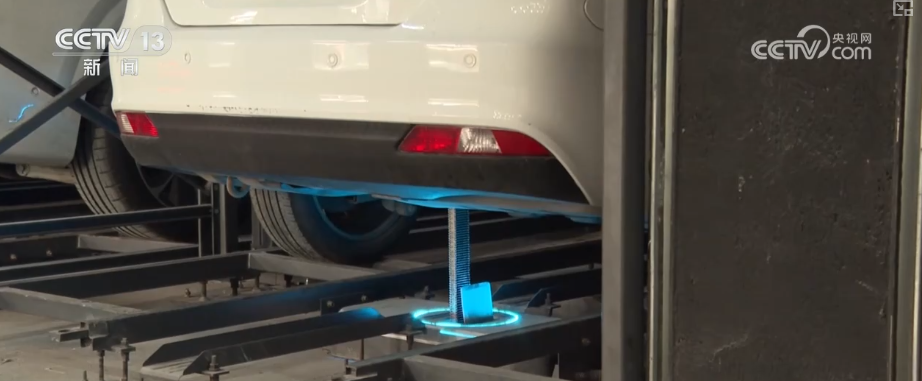
When the charging and discharging robot is connected, it can carry out a "millisecond-level" physical examination of the power battery on the car. When the voltage, current, temperature and other indicators do not meet the comprehensive indicators of the same battery in the large database, it will move the car to a safe position within 29 seconds, and step immersion will be carried out according to the thermal runaway degree of the battery to avoid danger.
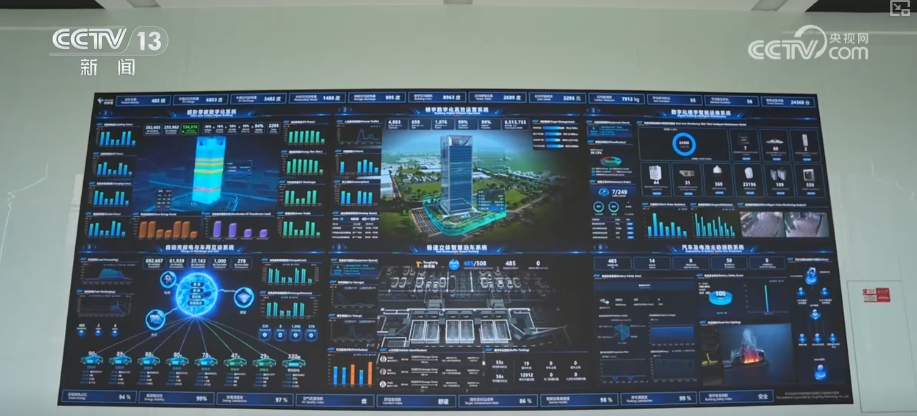
At present, only 300 vehicles are needed to provide 10 kWh of electricity for the building every day, which can solve nearly half of the energy consumption for the building, and each employee can also enjoy the benefits of the difference of each kWh in 1.2 yuan. In extreme cases, the reverse power supply mode can also be completely adopted to ensure the normal and stable operation of the building.
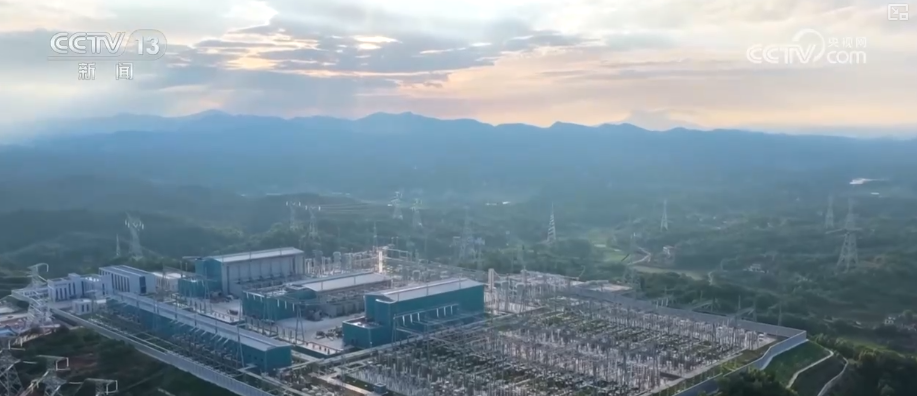
Zhao Yue introduced that through the intelligent energy management system, the building has become a "flexible regulating node" of the power grid, which can cooperate with the power grid to cut peaks and fill valleys, and relieve the pressure of peak electricity consumption. At the same time, it also improves the reliability of power supply, and its off-grid operation ability can ensure uninterrupted power supply for key loads.
Integrating Zero-carbon Scenes into Life and Accelerating the Formation of Clean Energy Network
In recent years, zero-carbon buildings and zero-carbon parks have blossomed everywhere, and various zero-carbon application scenarios have been integrated into our lives. What kind of change has zero carbon brought?
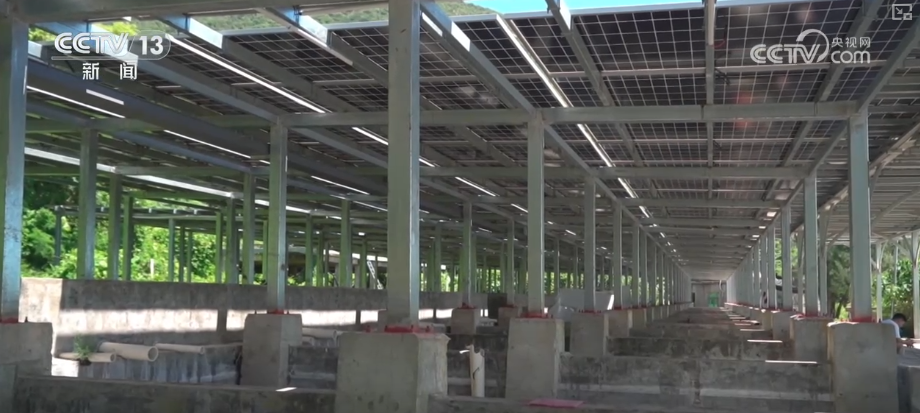
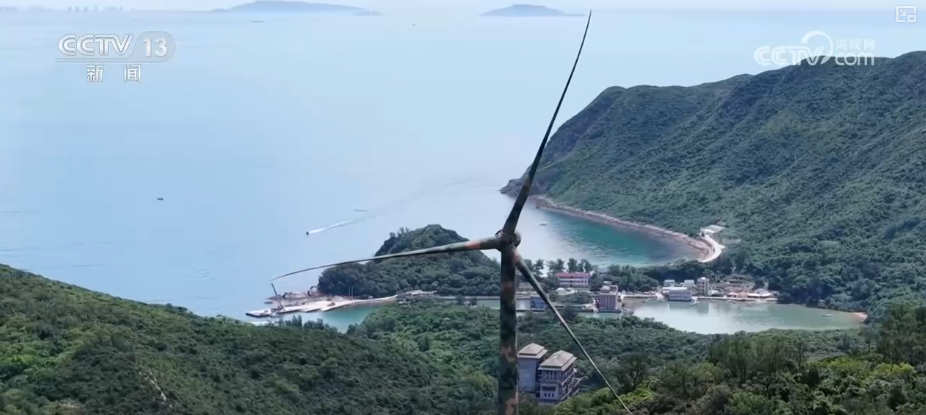
Recently, Da Sanmen Island in Guangdong has once again achieved the upgrade of "zero carbon island". The abandoned shrimp farm not only realized the complementary fishing and light, but also equipped with a "super charging treasure" of 10,000 kWh. Excess electricity can be stored during the day, and a 200 kW large fan newly installed at the top of the mountain can also deliver a steady stream of green power to the villagers at night.
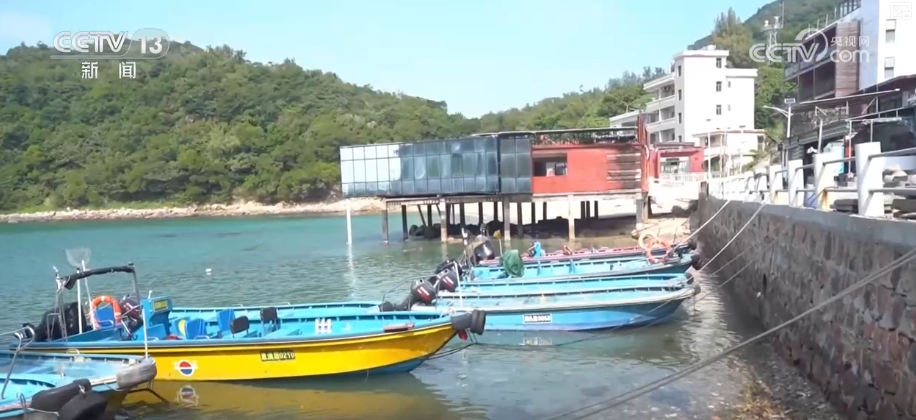
According to villagers, in the past, the cost of generating electricity on the island by diesel was close to that of 3 yuan. Now, not only is the cost of electricity reduced to 0.62 yuan/kWh, but the inexhaustible electricity can also be sold to China Southern Power Grid to obtain additional income. Freedom of electricity use has been realized, and the number of tourists on the island has also increased.
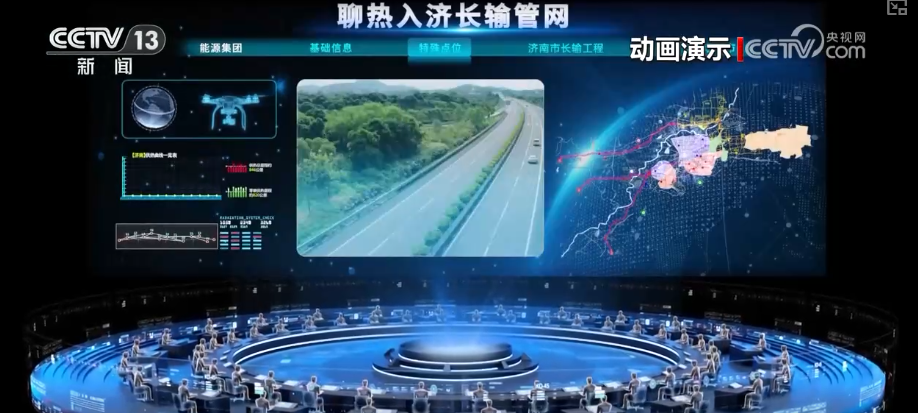
In Jinan, Shandong Province, the heating chimney in the urban area has also quietly disappeared, and it has been replaced by the longest "warm artery" in China. The total length of the long-distance heating project is about 130 kilometers, and the waste heat from two power plants in Liaocheng is sent to Jinan. It can not only meet the heating demand of about 100 million square meters, but also reduce carbon dioxide emissions by 3.6 million tons in the annual heating season.
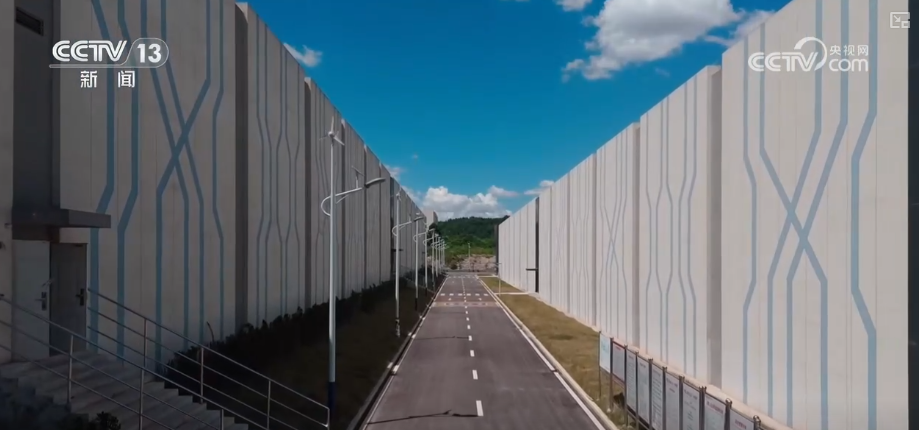
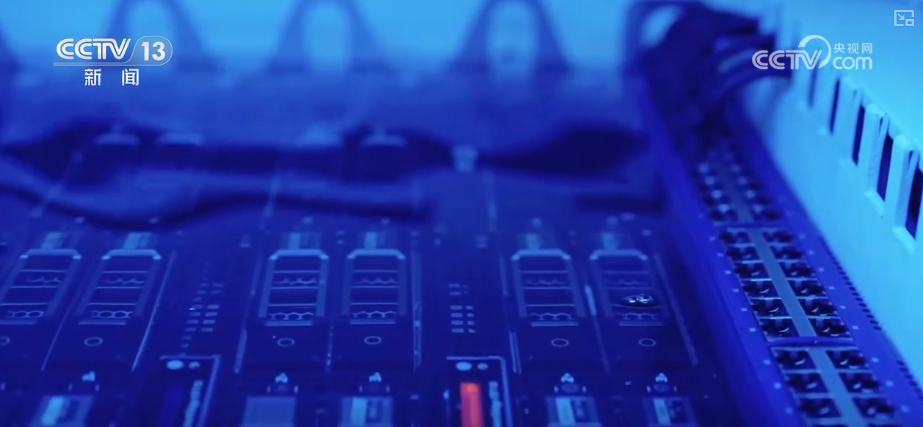
The cluster of smart computing centers located in Gui ‘an, Guizhou Province is providing zero-carbon computing power for all parts of the country. Immersed liquid cooling, combined with the natural cooling technology of fluorine pump air conditioning, can not only have faster and more accurate calculation, but also effectively save electricity and reduce carbon emissions. The photovoltaic matrix equipped on the roof and distributed wind energy form a microgrid, which also makes the green electricity coverage rate reach 100%.
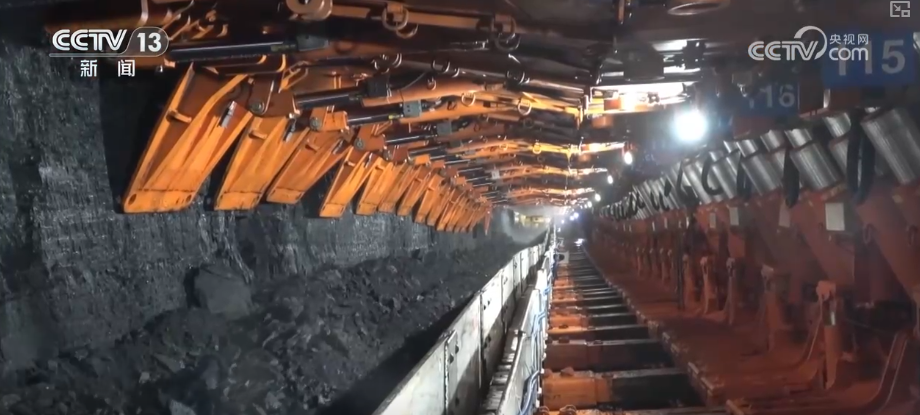
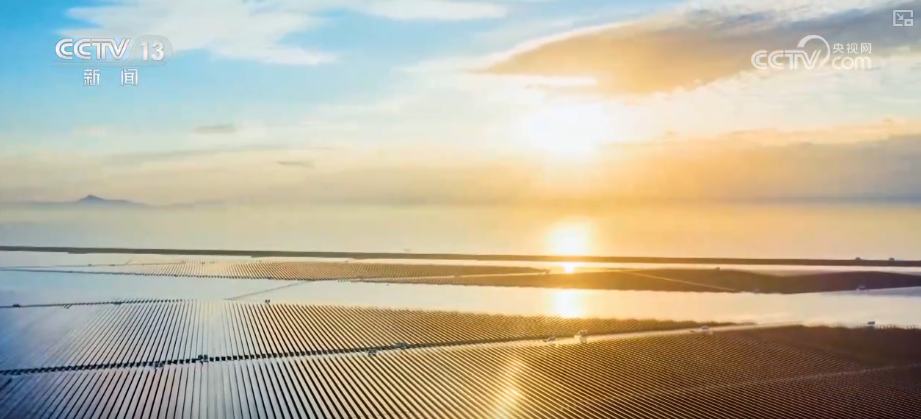
The data shows that the proportion of coal consumption in China has dropped from 56.8% in 2020 to 53.2% in 2024, and clean energy generation accounts for 39.7%, and an efficient and clean energy network is accelerating.
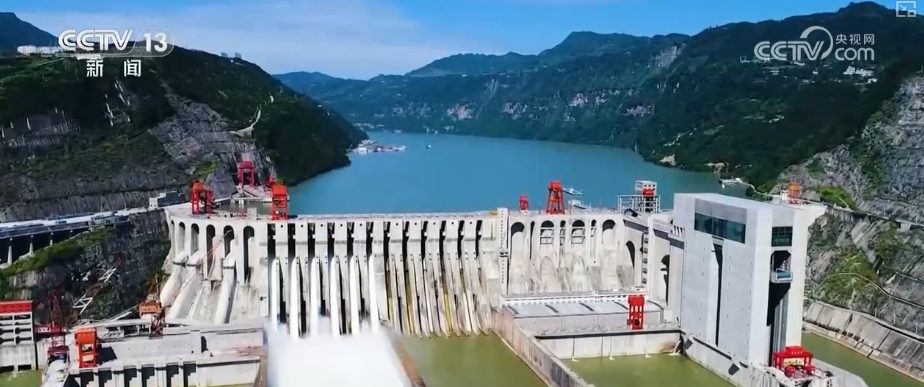
Zhao Yue said that an efficient and clean energy network is first of all conducive to protecting green mountains and improving the living environment of human beings. For enterprises, it will significantly increase the proportion of green energy consumption of enterprises and enhance the green competitiveness of products. The construction of efficient and clean energy network will create a greener, smarter and more inclusive future.